

Digital X-Ray Exposed: Glass Envelope
How important is the quality and manufacturing of the glass envelope in an x-ray tube?
What type of glass is used in x-ray tubes?
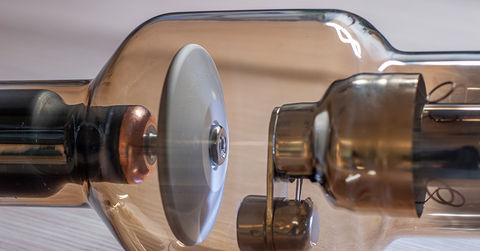
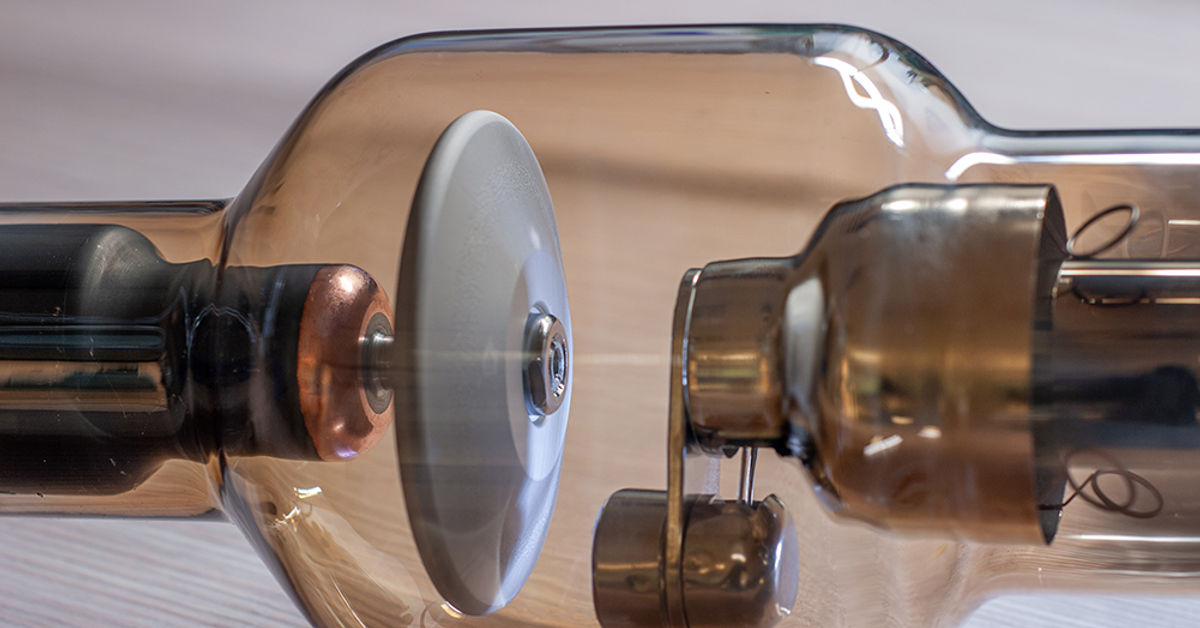
The next component of the x-ray tube is the glass envelope. The type of glass that is used in the construction of x-ray tubes is pyrex. This is the same type of glass used in cookware that can tolerate tremendous heat levels. It is important to understand that when x-rays are generated, tungsten is vaporized from the target surface as well as from the filament when it is heated.
Characteristics of the glass envelope:
- Highly evacuated
- Tolerates high heat
- Made of Pyrex
- Window or port is thinner
- Coating of glass by vaporized tungsten
- Immersed in oil
As time goes on, the diameter of the filament decreases because the tungsten is being vaporized. Because the glass envelope is sealed, the vaporized tungsten will tend to settle on the inside glass surface. Specifically, the tungsten settles over the exit port of the radiation. The area of the glass envelope that is immediately under the anode is somewhat thinner to minimize the attenuation or absorption of the x-rays as they pass through this part of the tube. However, as the tube ages, more and more tungsten will coat the inside of the tube and this makes it more difficult for the x-rays to come out of the tube. To expedite cooling and to insulate the tube, it is immersed in oil to ensure that it is electrically insulated and so that the oil will also help cool down the tube during operation. The cooling of the oil is sometimes assisted with a cooling fan.